$19.95 $17.96 Members

 $65.00 $58.50 Members

 $65.00 $58.50 Members

 $25.00 $22.50 Members

 $26.95 $24.26 Members

 $29.95 $26.96 Members

 $34.99 $31.50 Members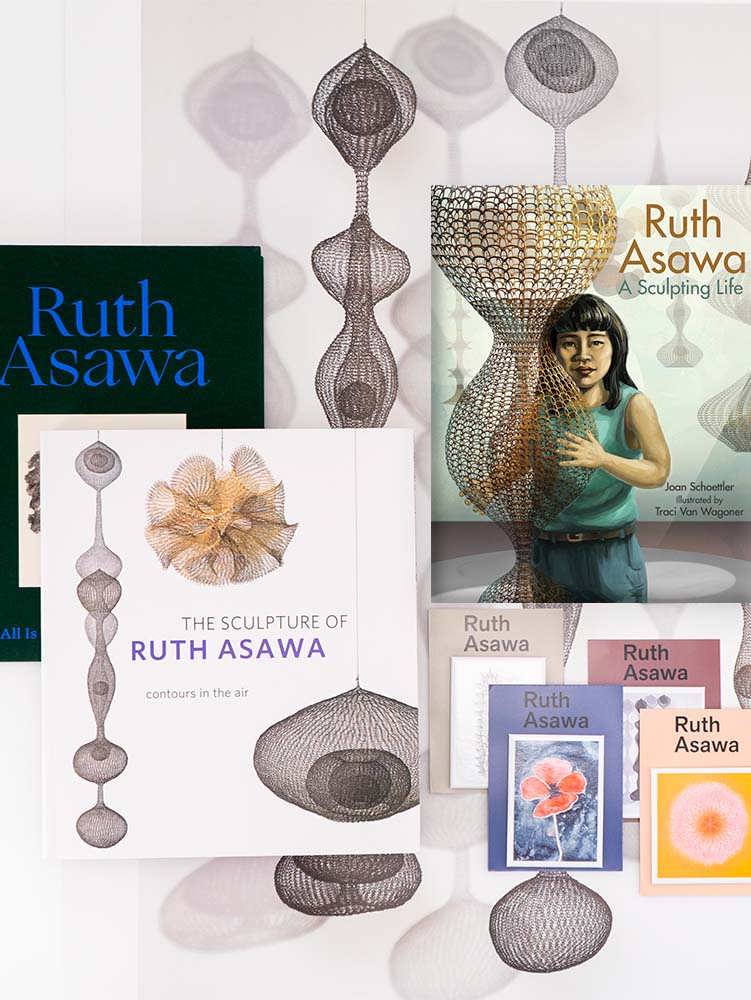
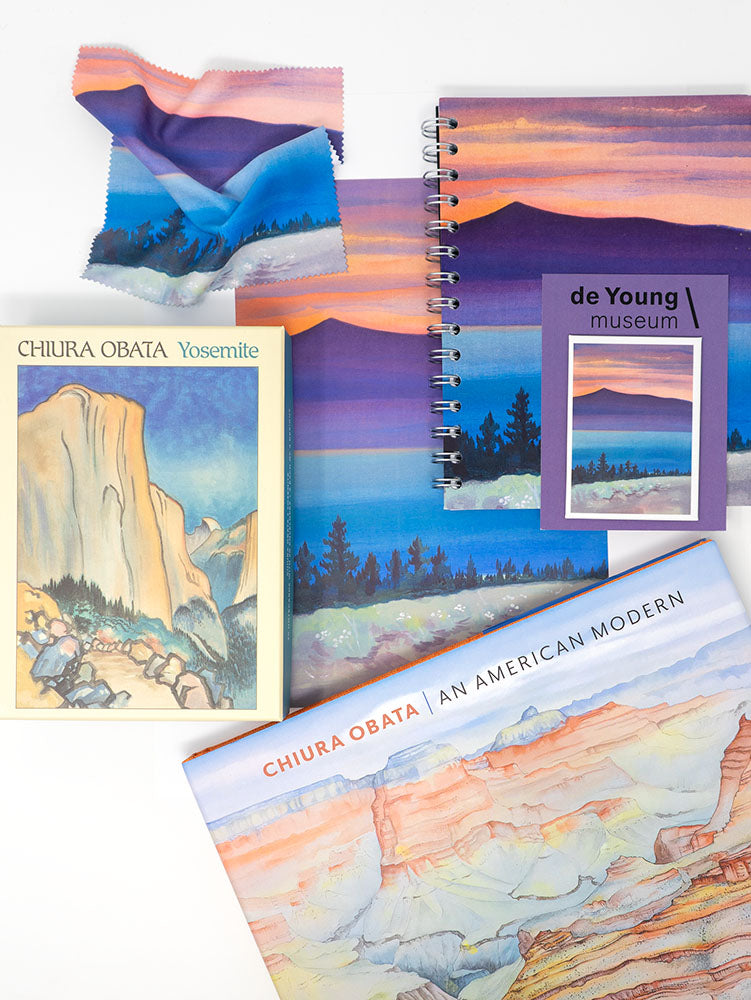
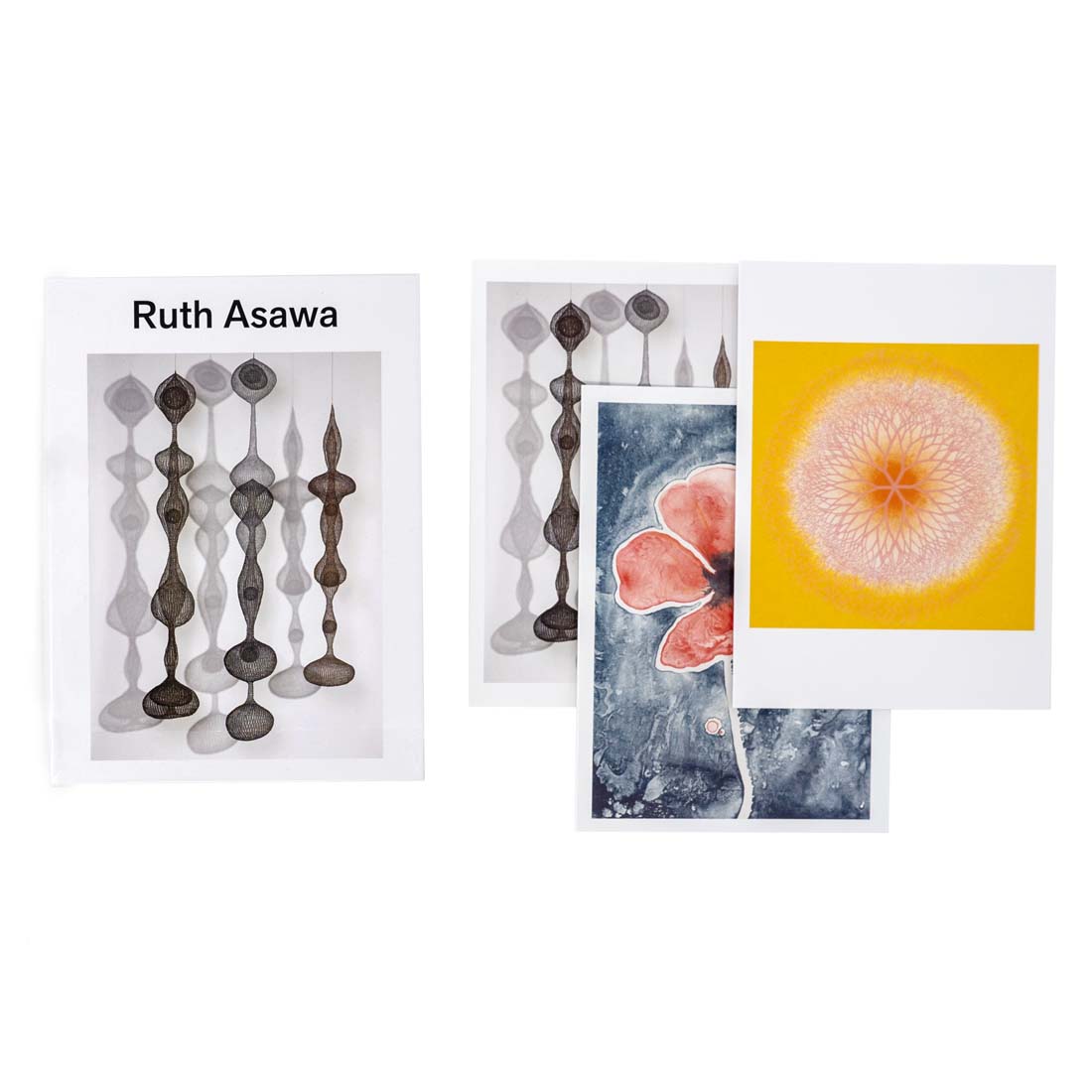 $24.95 $22.46 Members


Drawing has always been an inseparable part of art-making, both as a distinct art form and a crucial step in many other creative visual practice. Yet, its role has faced increasing scrutiny in recent decades. The popularity of readymades, the endless possibilities of new technologies, and the idea of the artist as a performer have shifted attention away from traditional studies or sketches. Deanna Petherbridge's second edition of The Primacy of Drawing invites new perspectives on the practice, which she argues is central to "all aspects of cultural making and thinking."
Petherbridge begins by exploring ancient myths about the origins of drawing, then examines the contrasts between open-ended sketches and highly formalized studies, which together form a drawing continuum—graphic parameters within which artists continue to experiment. She also delves into the economy of drawing—its qualities of line and mark, and analyzes the strategies behind making, composing, and inventing drawn images. The teaching of drawing in academies has led to complex theories on copying, genre hierarchies, and expressive figure drawing. The manner in which satire, sexuality, and play develop compositional strategies reflects Petherbridge’s perspective as a teacher, deeply engaged with the hows and whys of visual thinking. Hardcover, 400 pages.

Museum members receive 10% off all items from our museum stores, including sale items and custom Art on Demand prints.